19 Aug 2025
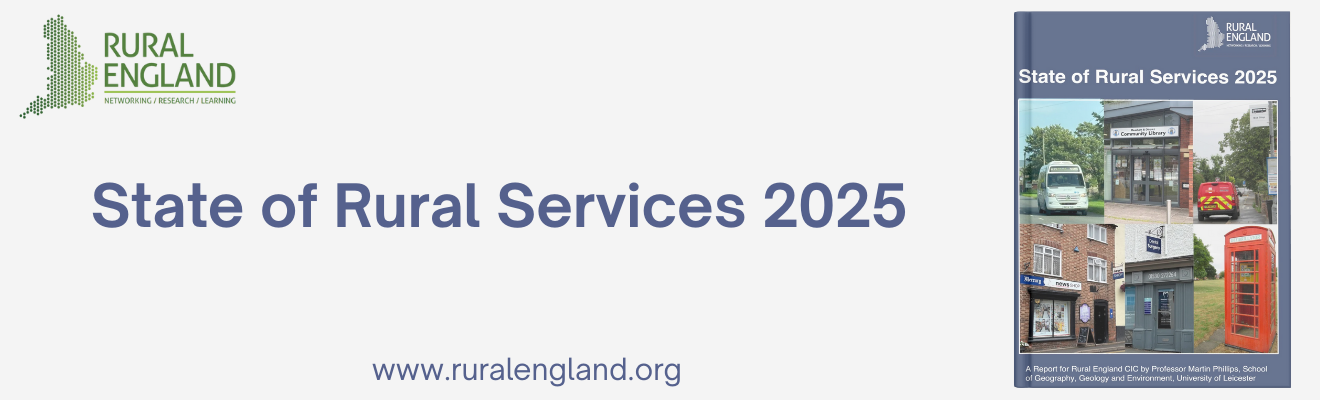
Rural England CIC has today published its latest State of Rural Services 2025 report, providing an updated and detailed picture of how people living in rural areas across England access and experience essential local services.
Drawing on national datasets and official statistics up to the end of 2024, the report shows persistent and wide-ranging disparities between rural and urban communities. It examines services including health and social care, transport, digital connectivity, education, employment support, local infrastructure and community facilities.
Key findings include:
- Healthcare pressures – 35% of rural hospitals have closed in the last 15 years, with 10% of rural residents reporting difficulty accessing hospital services compared with 3% in urban areas. GP access is also more challenging, with average travel times to a surgery exceeding 57 minutes in the most remote settlements.
- Transport decline – Bus services are at a historic low. In hamlets and isolated dwellings, buses account for less than 1% of journeys, leaving many residents reliant on cars or community transport.
- Digital gaps – Digital inclusion has improved but remains uneven: 54% of rural premises can now access gigabit broadband (88% in urban areas), yet 22% of premises in rural hamlets and isolated dwellings still lack a 10 Mbps connection.
- Local services – 75% of libraries are located in urban areas, leaving many rural residents dependent on travel or mobile services. Almost half of rural convenience stores are the only shop in their community, underlining their importance as lifelines.
- Employment and support – Just 13 Jobcentre Plus offices are located in rural settlements across England, limiting access to welfare support.
- Childcare and youth services – Rural families face fewer places, longer journeys and a lower share of Ofsted-rated “Good” or “Outstanding” provision than their urban counterparts.
The report concludes that while rural communities remain resilient and resourceful, gaps in infrastructure, funding and access continue to create real disadvantages. These issues, the authors stress, need to be considered in future service and policy planning if equal opportunity for rural residents is to be achieved.
 |
Graham Biggs, MBE, Chair of the Directors of Rural England C.I.C:
|
 |
Kerry Booth, Chief Executive of the Rural Services Network:
|
The Full State of Rural Services 2025 Report is available HERE
The Executive Summary is available HERE
A Summary Snapshot is available HERE
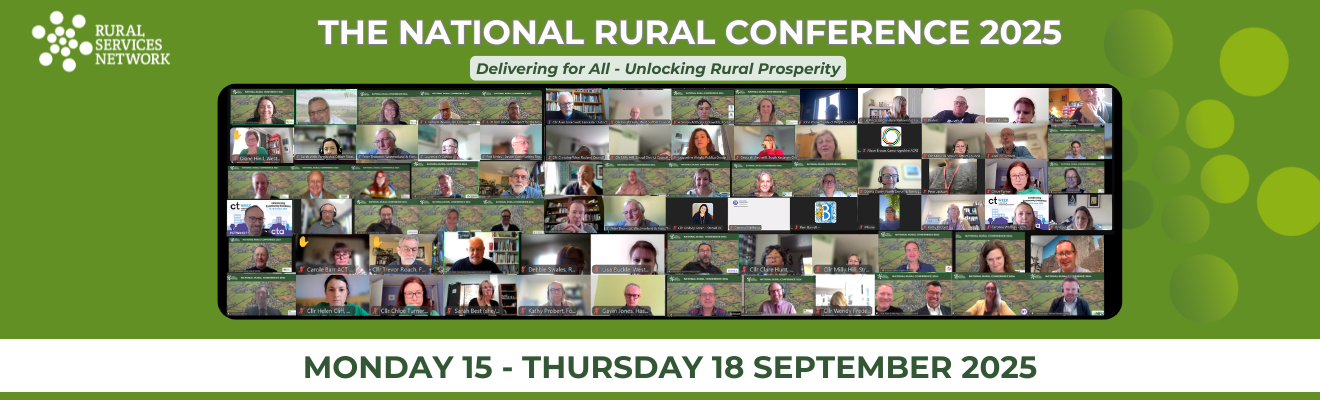 Many of the themes raised in this report will be explored at the National Rural Conference 2025, where experts, policymakers and rural leaders come together to discuss the key challenges and opportunities facing rural communities. Find out more and register to join us here.