30 Sep 2025
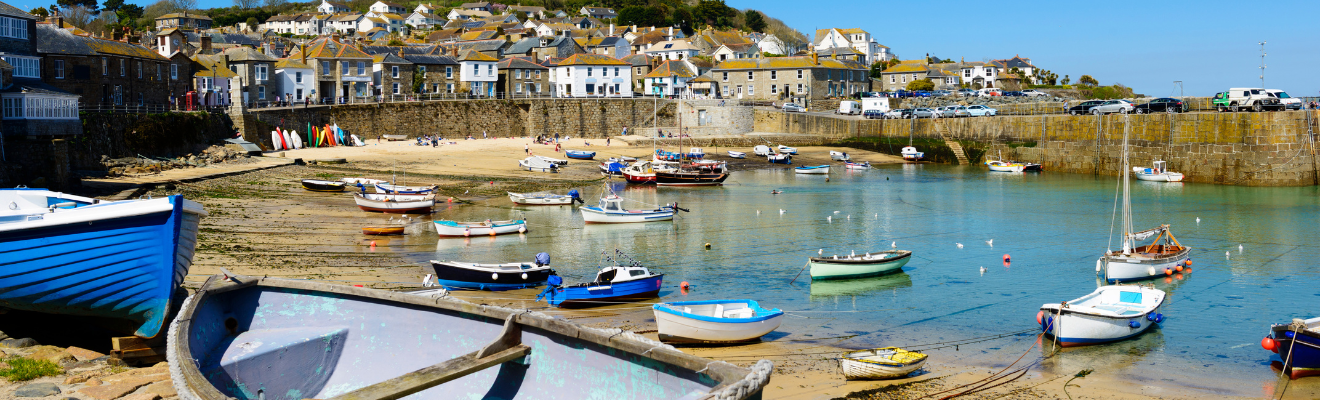 A new report has warned that deprivation in Cornwall’s rural communities is being overlooked because government measures fail to capture the reality of rural life.
The Pretty Poverty Report: Cornwall Rurality Matters, published by the Diocese of Truro and Plymouth Marjon University, is the result of an 18-month study led by Professor Tanya Ovenden-Hope. Researchers examined six rural areas of Cornwall and found that while they rank in the bottom 20–30% of the Index of Multiple Deprivation (IMD), the tool does not reflect lived experience.
Key findings include:
- Transport dependency: car ownership is essential rather than optional, creating a hidden “rural tax.”
- Housing pressures: over 20,000 homes are second homes or holiday lets, pushing property prices beyond local incomes.
- Precarious employment: seasonal, low-paid, and insecure work dominates.
- Healthcare withdrawal: centralised and digital-first models leave many excluded.
- Educational isolation: long commutes and limited opportunities push young people to leave Cornwall.
- Community resilience: strong networks mask underlying deprivation, making it harder to secure support.
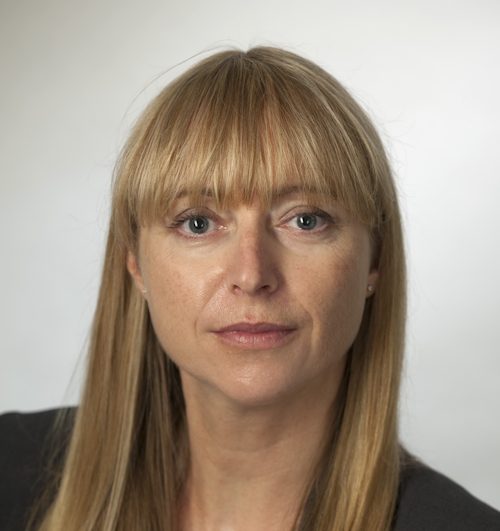 |
Professor Ovenden-Hope said:
|
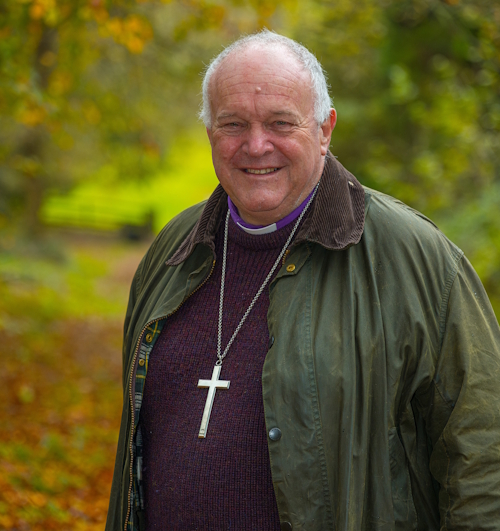 |
The Rt Revd David Williams, Bishop of Truro, added:
|
The authors recommend new rural-specific indicators, such as transport costs, broadband access, seasonal work, and housing use alongside reforms in transport provision, housing rules, service delivery, funding formulas, and support for local jobs.
The report warns that without urgent change, pressures on healthcare, housing and employment could push already struggling communities into deeper hardship.
Find out more and read the full report here
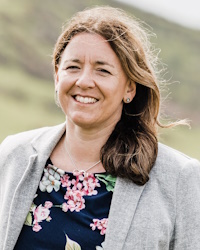 |
Kerry Booth, Chief Executive of the Rural Services Network, said:
|